Mold Remediation in Keller, TX
Musty smell, visible growth on a wall, or moisture damage after a storm? Call — independent local mold pros serve Keller and nearby DFW towns. Describe what you see, and they'll walk you through what happens next.
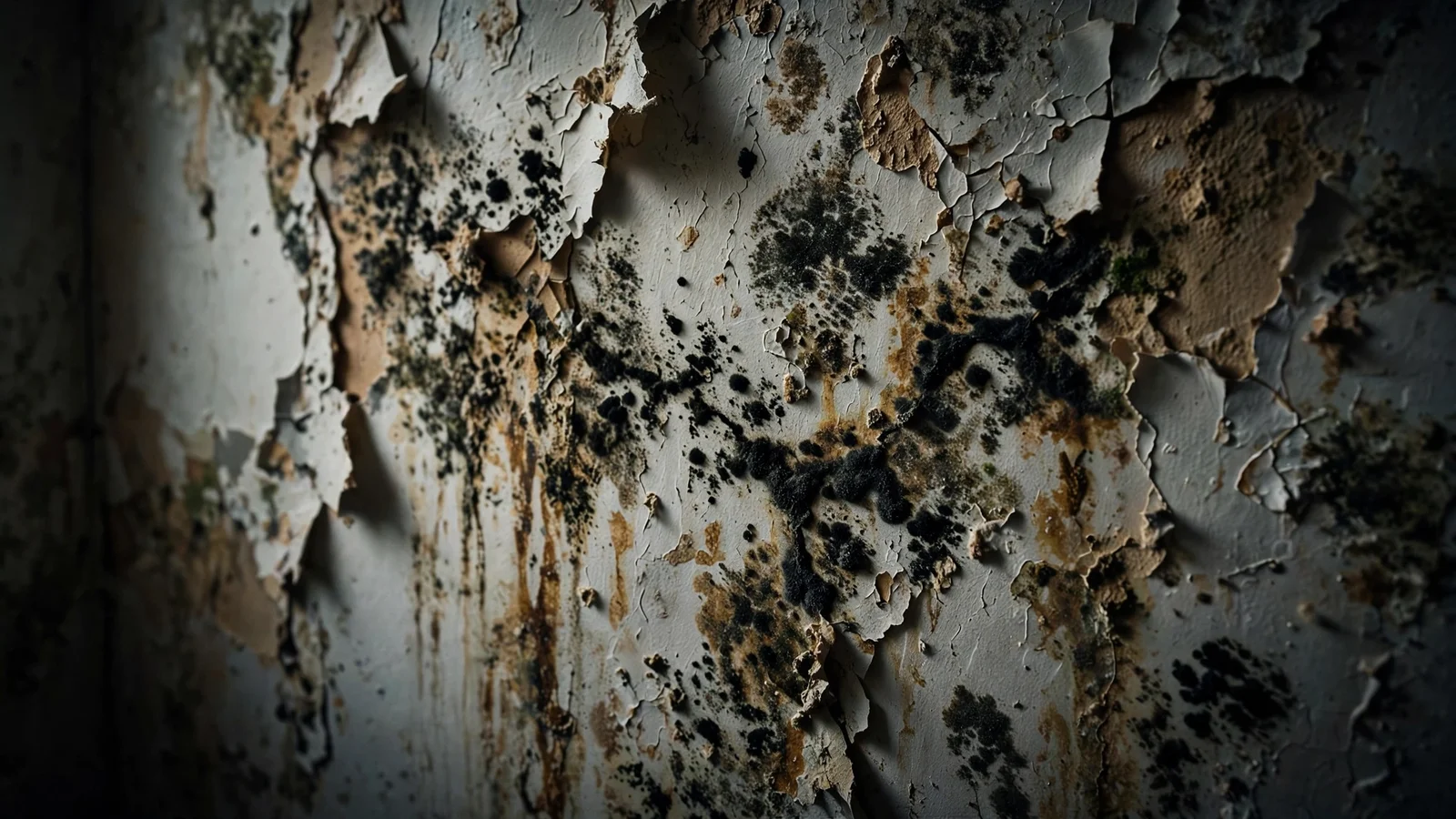
⚠ See mold? Do this before you call:
- Don't touch or scrub large patches — disturbing dry growth sends spores airborne through the house.
- If water is actively leaking, shut off the nearest valve (or the main) if you know where it is. Don't open up walls or ceilings yourself.
- Close the door to the affected room and keep the area isolated until a pro looks at it.
- Call — describe what you see, where it is, and where you think the moisture came from.
Why homeowners call Keller Mold Pros
Mold Remediation services in Keller
Mold Inspection & Testing
Musty smell or visible mold in Keller, TX? Call (555) 234-5678 — inspection and moisture testing by independent local pros.
Learn more →Black Mold Removal
Black mold in your Keller, TX home? Call (555) 234-5678 — contained, safe removal by independent local pros.
Learn more →Water Damage Mold Restoration
Water damage turning to mold in Keller, TX? Call (555) 234-5678 — local pros handle drying and mold together.
Learn more →Attic & Crawlspace Mold Removal
Mold in the attic or crawlspace in Keller, TX? Call (555) 234-5678 — local pros for hard-to-reach spaces.
Learn more →Built for Keller homes
Keller's housing stock writes the mold script for this town: two-story brick homes on slab foundations, most built from the 1980s onward, sitting on expansive North Texas clay that shifts with the seasons and stresses slab plumbing. Central AC runs seven to nine months a year here, and the air handlers live in scorching attics — their condensate lines clog, pans overflow, and closet ceilings grow mold nobody sees for months. Spring hail and wind tear at roofs, and the resulting leaks feed attic mold long before a ceiling stain appears.
Humidity is the other half of the story. North Texas summers are long and damp, and mold starts colonizing damp drywall and wood within a day or two of a water event. Slow plumbing leaks inside walls — the supply line to a bathroom, the ice-maker line behind the fridge — wet drywall for months before anyone sees a spot. Local mold pros work these exact patterns every week: condensate drains, slab-adjacent plumbing walls, storm-damaged roof decks. When you describe what you're seeing, they already know where to look.
How it works
Have this ready when you call — where the mold is, how large the area looks, and where you think the moisture came from. It helps the provider arrive prepared, and it keeps your call focused.
Call the number above
Describe what you're seeing: the location, the size of the affected area, any musty odor, and any water event you know about — a leak, a storm, an AC overflow. They'll tell you whether it sounds like an inspection job or something to look at right away.
An independent local pro takes it from there
Your provider inspects, maps the moisture with meters, and defines the real boundary of the problem — then lays out the remediation plan in writing before any work starts. No vague verbal summaries.
Moisture source fixed, mold removed, area verified dry
The work area gets contained, affected material comes out, remaining surfaces are cleaned and dried, and moisture readings verify the job before the containment comes down. One call starts the whole process.
Need mold remediation in Keller?
One call connects you with a local technician. No forms.
(555) 234-5678📞 Call Now
Mold Remediation questions, answered
Is black mold dangerous?
Can I just clean it myself with bleach?
How do local mold pros find hidden mold?
What happens during a mold inspection?
Which areas do local mold pros serve?
My AC drain line keeps backing up — is that a mold risk?
We had a roof leak last spring — should I worry about mold now?
Does homeowners insurance cover mold?
What should I do right now if I find a large patch of mold?
How do I keep mold from coming back after remediation?
Serving Keller and nearby towns
Independent pros connected through this site are based around Keller and serve the surrounding DFW towns — if you're nearby and found mold or moisture damage, call and they'll tell you straight whether they can reach you.